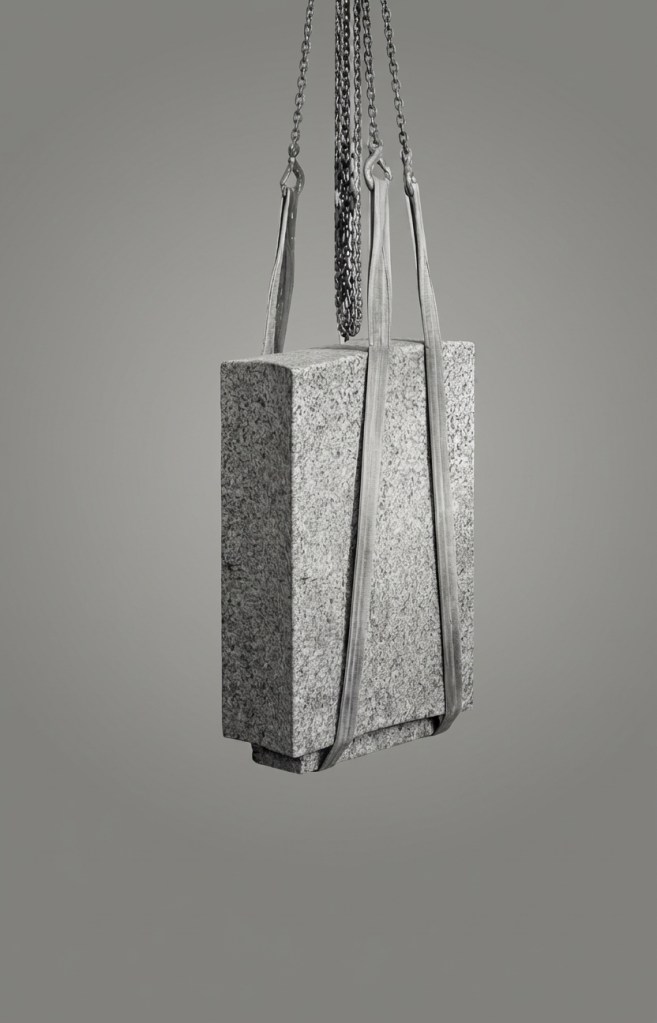
X raised this stone in memory of Y
The recurring runestone formula “X raised this stone in memory of Y” represents a restrained and materially grounded memorial practice in early Scandinavian culture. Meaning is not carried by narrative or symbolism, but by the act of raising the stone and allowing it to remain present in the landscape.
The inscription functions less as a message than as confirmation of an action already completed. Memory is externalized into material form and delegated to the stone’s endurance over time. The logic is precise: the stone is raised because the person has fallen. What stands is not a representation of the individual, but a material presence occupying space in their stead.
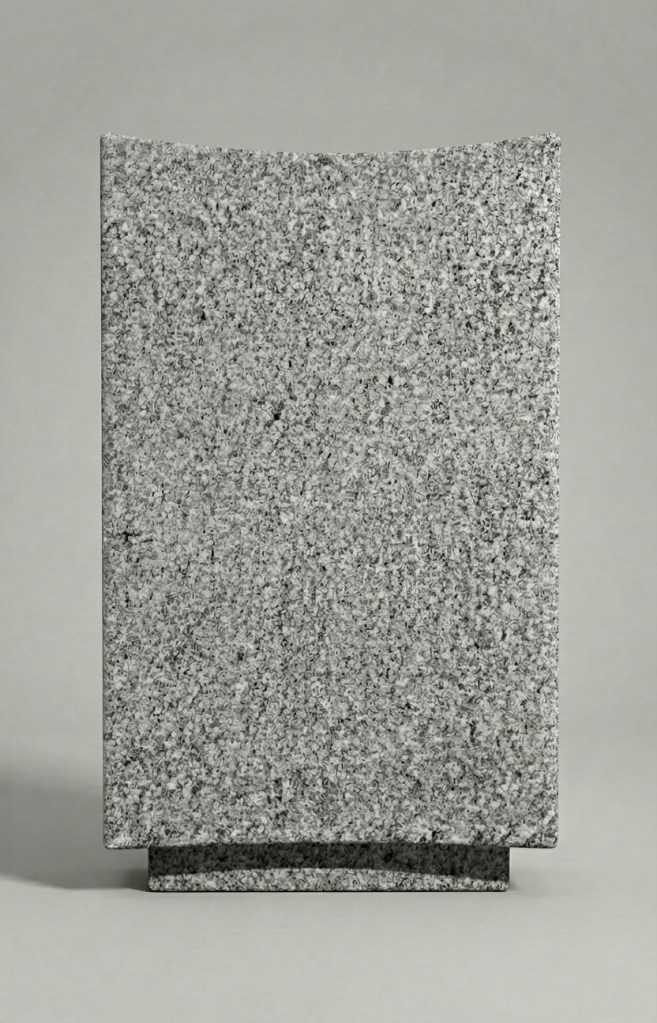
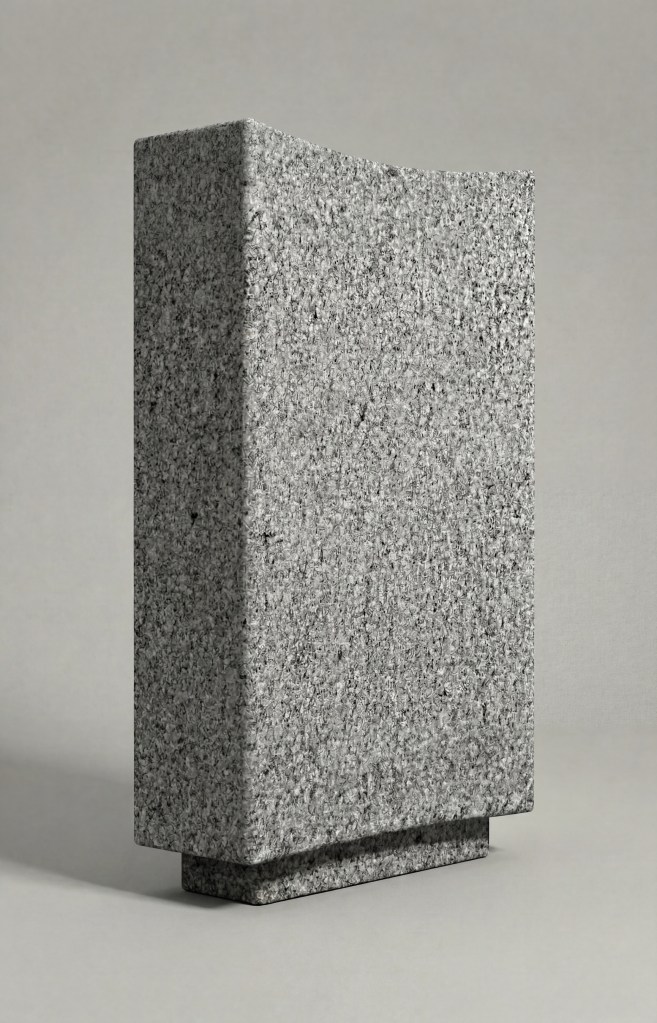
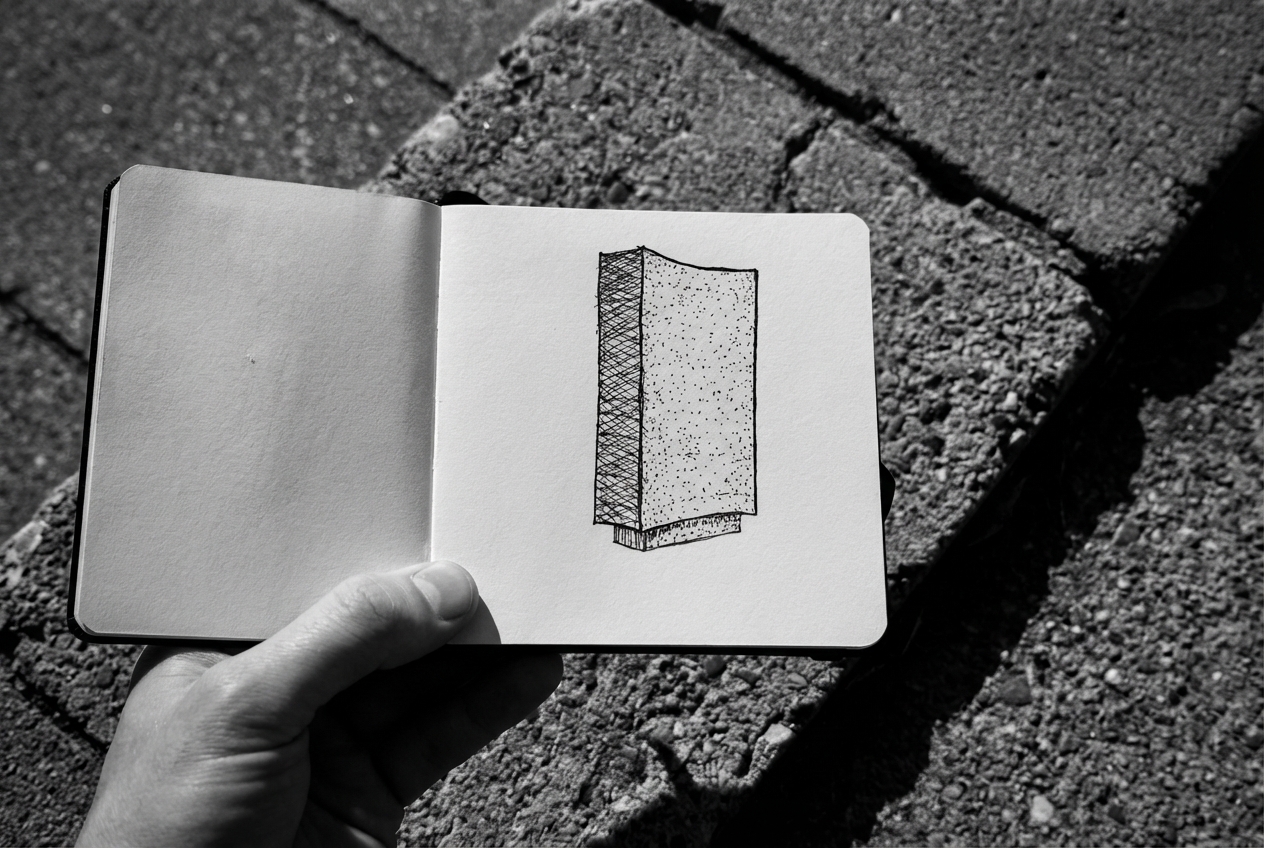
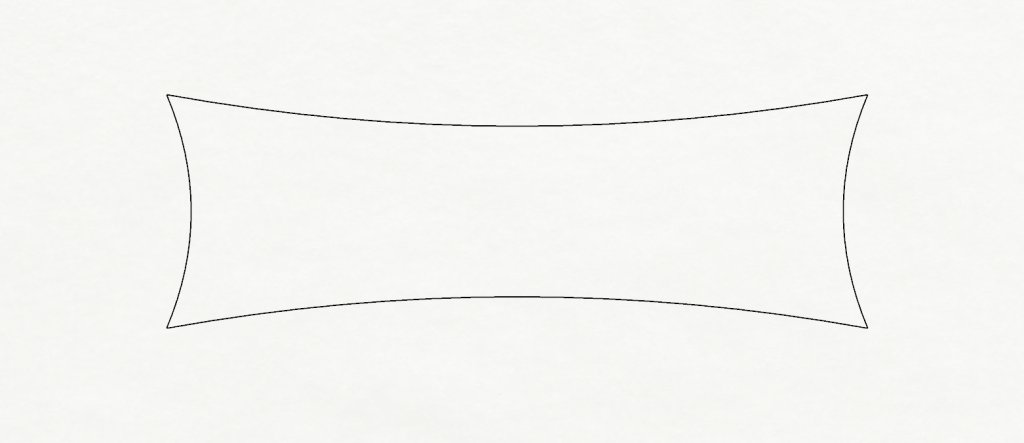
This logic informs the gravestone study presented here. The stone is conceived as a spatial presence rather than an expressive object. A subtle curvature regulates proximity and establishes a shallow spatial depth, allowing the body to approach the stone rather than simply observe it. Meaning arises through form, weight, and encounter, aligning the work with a tradition where remembrance is produced through material presence and duration rather than inscription.

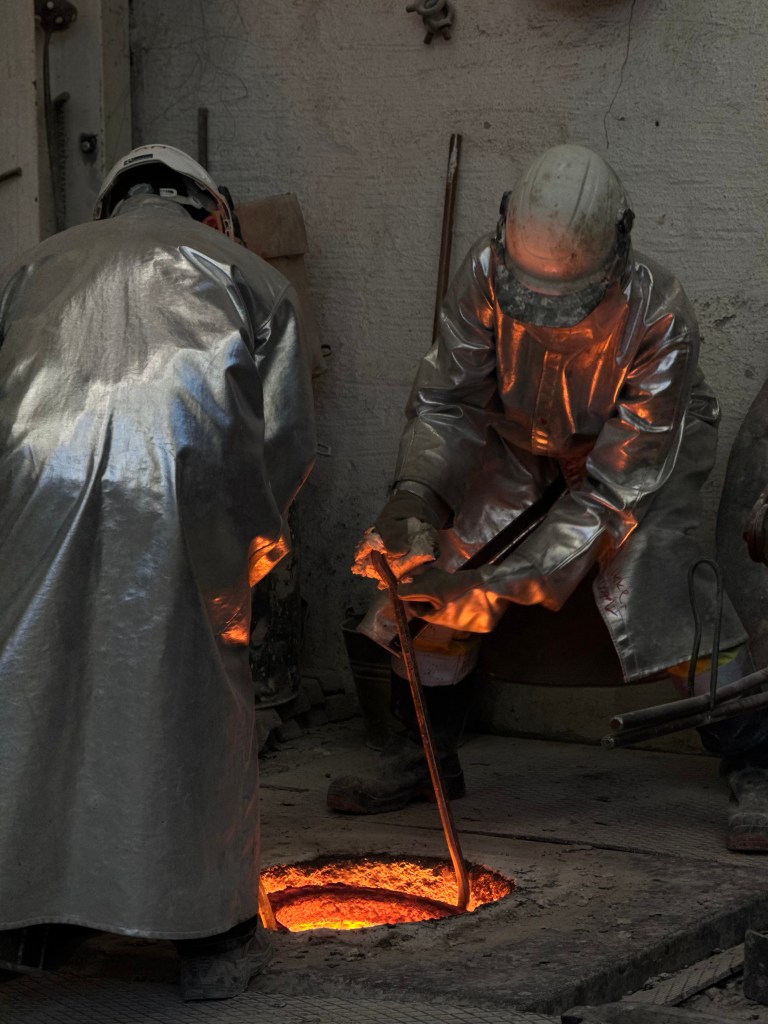
Bronze casting
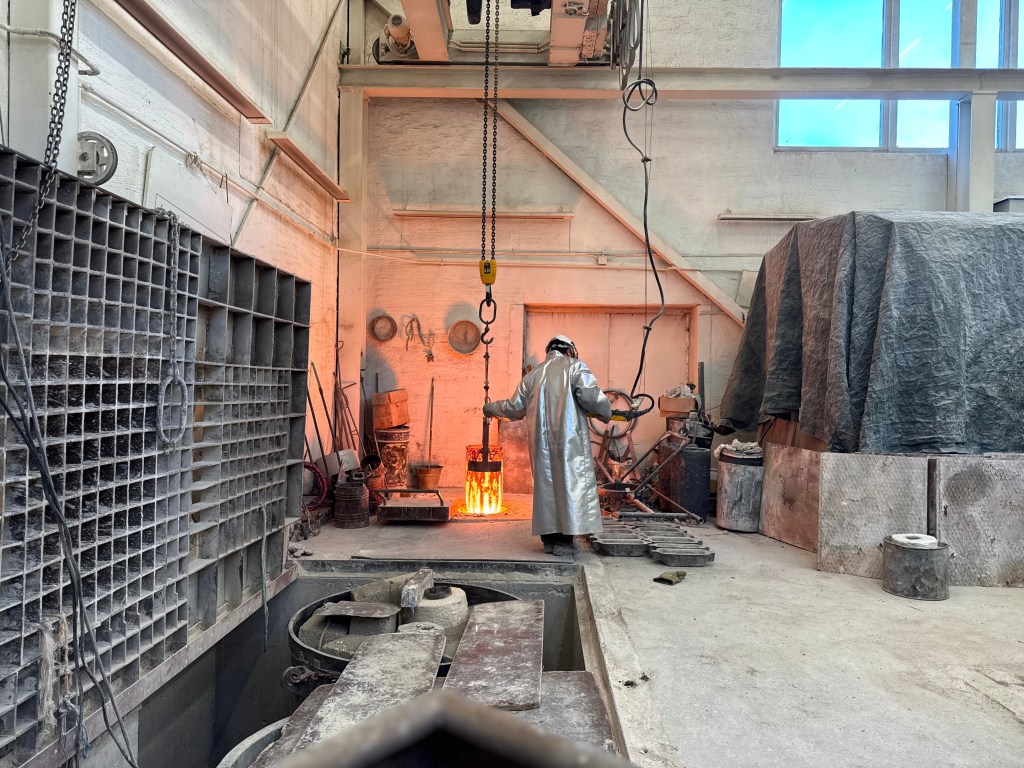
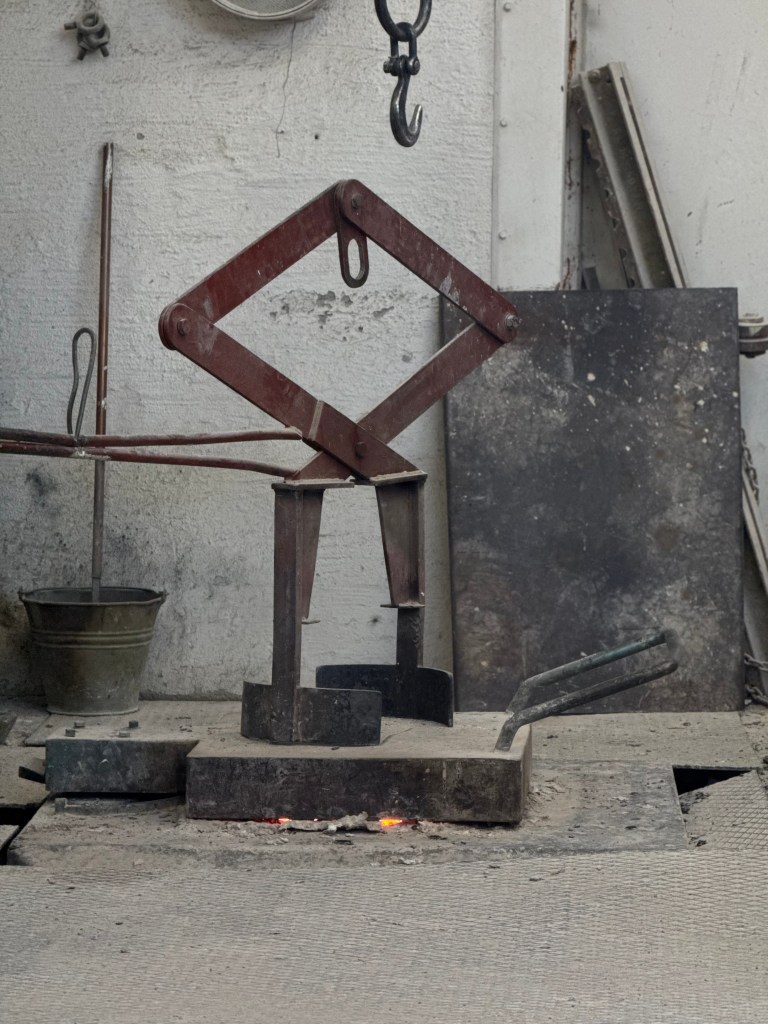
 haaf_verk